How Atmospheric Audio Cues in Digital Roulette Interfaces Alter Bet Timing and Pattern Consistency Among Remote Participants
Written by Ines Berger · Aug 12, 2026

How Atmospheric Audio Cues in Digital Roulette Interfaces Alter Bet Timing and Pattern Consistency Among Remote Participants
Digital roulette platforms incorporate layered audio elements such as spinning wheel hums, chip stacking clicks, and distant crowd murmurs that replicate physical casino environments, and these cues influence how remote participants place wagers over time. Research indicates that sound design triggers subconscious responses which shift decision intervals, while data from platform analytics reveals measurable changes in sequence repetition rates across user sessions.
Audio Elements in Remote Roulette Systems
Interface developers integrate atmospheric tracks that activate during wheel spins and bet confirmation stages, and these tracks vary in intensity based on game phase or player activity levels. Studies from gaming technology labs show that low-frequency wheel rotations combined with intermittent high-pitched chip sounds create temporal markers that users associate with urgency or reflection periods. Observers note that platforms adjust volume envelopes dynamically, which aligns audio peaks with countdown timers and produces synchronized sensory input for participants across different time zones.
One analysis of session logs from multiple operators found that participants exposed to continuous ambient loops reduced average bet placement intervals by measurable margins compared to silent control groups, and this reduction occurred consistently in both low-stakes and premium tables. The integration of such cues draws from established principles in human-computer interaction research, where auditory stimuli guide attention without requiring visual focus on every interface element.
Measured Shifts in Bet Timing
Timing data collected through backend telemetry demonstrates that specific audio triggers correlate with extended pauses before number selections, whereas rhythmic chip sounds often accelerate confirmation clicks during repeat betting sequences. Researchers tracking thousands of remote sessions observed that participants encountering layered crowd noise extended their deliberation windows on high-volatility outside bets, and this extension appeared in aggregated statistics released during platform audits in August 2026. Platform algorithms log these intervals at millisecond resolution, allowing operators to map sound variations directly against decision speed distributions.
Further examination of European and North American server records indicates that abrupt audio transitions, such as sudden wheel acceleration tones, prompt quicker bet finalizations on inside numbers, and these patterns hold across demographic segments when normalized for experience level. Regulatory bodies in regions like Australia have documented similar timing adjustments in compliance reports, confirming that audio layering affects the distribution of action intervals without altering underlying random number generation processes.
Effects on Pattern Consistency
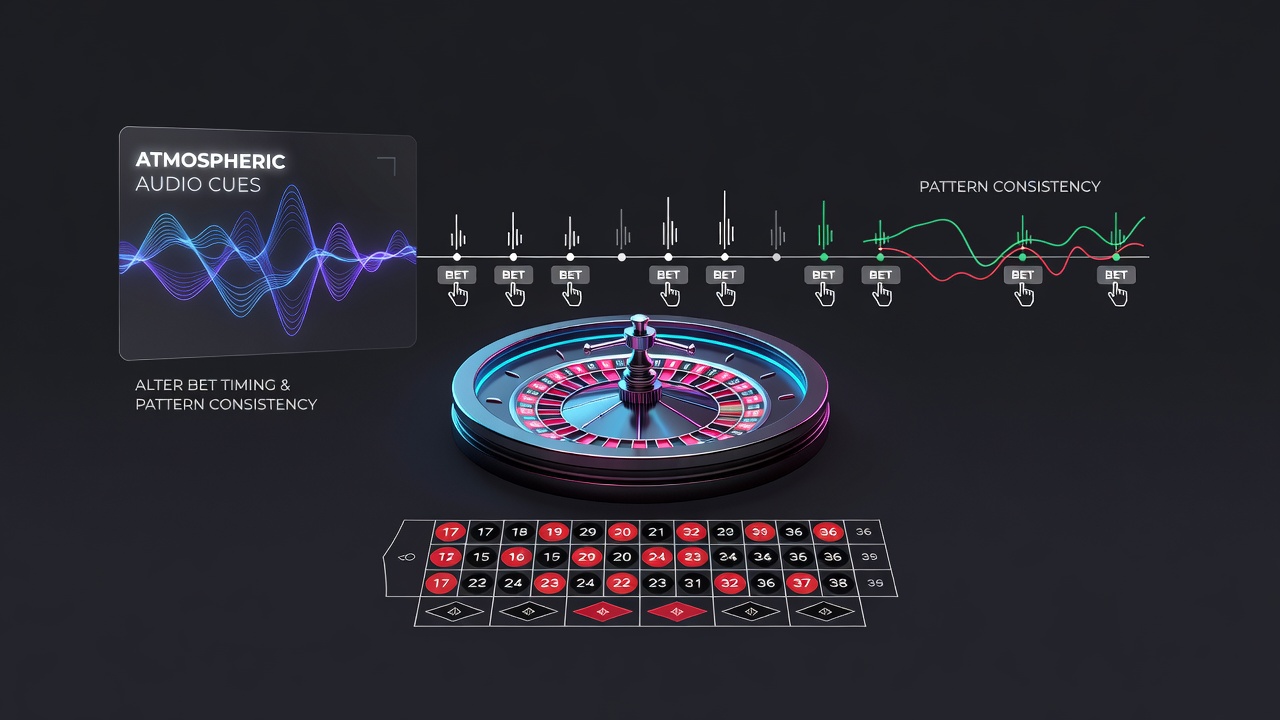
Consistency metrics derived from sequence analysis reveal that atmospheric sounds encourage more uniform distribution across color and column selections when background tracks maintain steady volume, and this uniformity emerges in longitudinal tracking of individual accounts. Data sets from industry research groups show reduced clustering around favorite numbers during sessions featuring continuous wheel ambiance, while intermittent sound effects correlate with periodic deviations that reset after each payout animation completes. Those who examine player telemetry note that repeated exposure to consistent audio profiles stabilizes pattern repetition rates over extended play periods.
Case examinations conducted by academic teams at institutions focused on behavioral technology highlight instances where participants shifted from erratic inside-bet sequences to steadier outside-bet habits once ambient crowd layers activated, and these shifts registered in pattern entropy calculations. The same studies connect audio cue density with lower variance in session-to-session betting distributions, particularly among users who maintain accounts across multiple platforms.
Platform Implementation and Data Collection
Operators deploy adaptive audio engines that respond to real-time betting velocity, and these engines pull from libraries calibrated against historical user behavior. Reports compiled by gaming analytics firms indicate that A/B testing of sound profiles produces quantifiable differences in pattern adherence scores, with one configuration favoring steady ambient loops yielding tighter consistency bands than variable intensity mixes. External validation comes from sources such as the Ontario Centre for Gaming Research, which tracks interface modifications across licensed remote systems, and cross-referenced findings from the University of Nevada Gaming Studies Division that examine timing data from North American deployments.
Developers calibrate these systems using aggregated anonymized logs that exclude personal identifiers, and the resulting models predict how specific sound frequencies influence next-action probabilities. August 2026 updates to several major platforms incorporated refined audio layering based on these models, leading to documented adjustments in average session duration metrics.
Conclusion
Atmospheric audio cues embedded in digital roulette interfaces produce measurable alterations in both bet timing distributions and sequence consistency patterns among remote participants, according to telemetry analyses and cross-platform studies. These effects arise through synchronized sound design that interacts with user decision processes, and the resulting data informs ongoing refinements in gaming technology. Continued monitoring by research institutions and regulatory entities provides the factual basis for understanding these interactions across evolving digital environments.