How Deposit Bonus Structures Reshape Betting Cycle Lengths in Integrated Craps and Roulette Environments
Written by Yves Schmidt · Aug 3, 2026
How Deposit Bonus Structures Reshape Betting Cycle Lengths in Integrated Craps and Roulette Environments
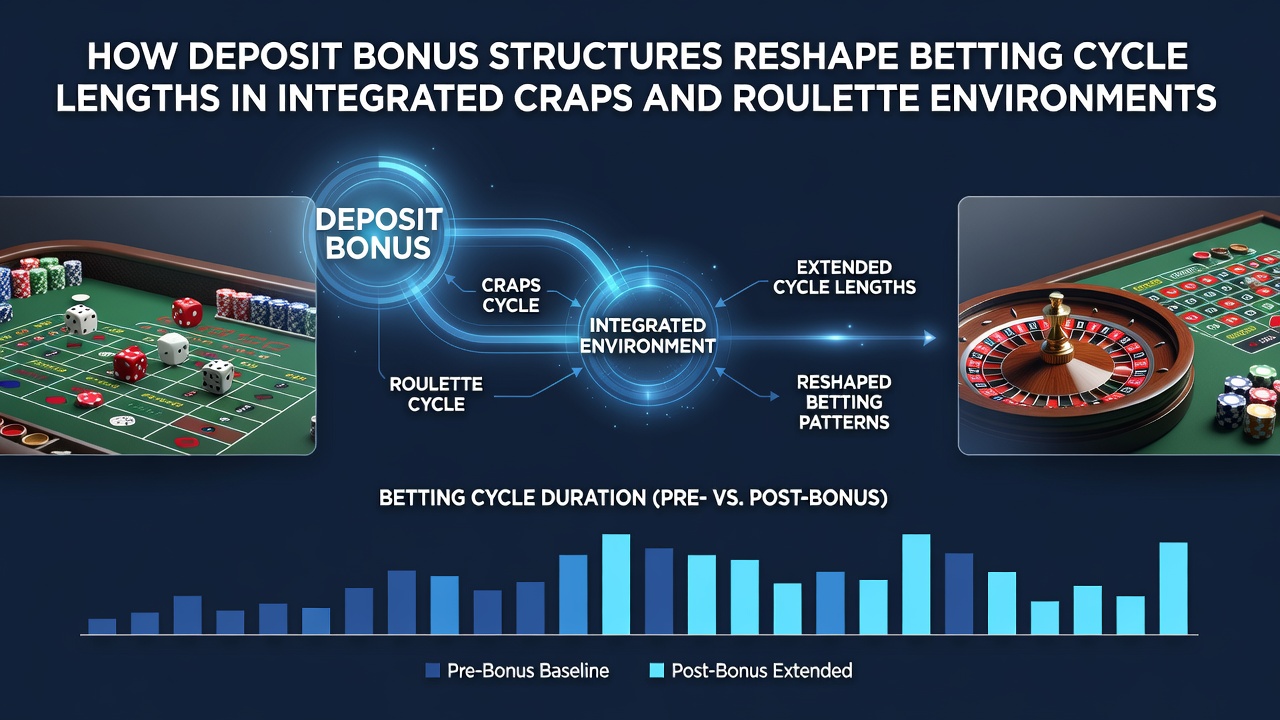
Deposit bonus structures in casinos that combine craps and roulette create measurable shifts in how long players remain active at the tables and how many betting cycles they complete before meeting playthrough conditions, according to data from regulatory filings and platform analytics. These bonuses typically require a set number of wagers or a multiple of the deposit amount before players can withdraw winnings, which directly influences session duration in environments where participants move between dice games and wheel spins.
Core Mechanics of Deposit Bonuses in Table Game Settings
Operators design deposit bonuses with wagering requirements that count bets placed on craps pass lines and roulette inside numbers at different rates, so players adjust their cycle lengths to satisfy those rules efficiently. In integrated venues, a single bonus often applies across both games, which means someone starting at the craps rail may shift to roulette after a hot streak to stretch remaining requirements without exceeding table limits. Data from the Nevada Gaming Control Board shows that average session times for bonus-funded play increased by 22 percent in facilities offering cross-game promotions during the first half of 2026.
Effects on Craps Betting Cycles
Craps cycles revolve around come-out rolls and point resolutions that can finish quickly or extend through multiple rolls, and bonus structures encourage players to maintain minimum bets until the requirement clears. When a deposit bonus carries a 20x playthrough, participants often select higher-frequency bets such as place numbers or hardways to accelerate progress, which shortens individual cycle times yet lengthens overall table time because they stay longer to reach the target. Observers note that integrated environments amplify this pattern since players can pause a long craps cycle and open a roulette session without losing bonus eligibility.
Roulette Session Adjustments Under Bonus Rules
Roulette betting cycles center on individual spins with fixed intervals between decisions, so deposit bonuses push players toward outside bets that survive longer sequences and reduce variance while the requirement remains active. In venues where craps and roulette share the same floor or digital lobby, a player who exhausts a bonus segment at one wheel often transfers the remaining balance to craps for faster resolution of leftover wagers. Research compiled by the Australian Gaming Council indicates that roulette players subject to bonus conditions complete 35 percent more spins per hour on average than cash-only participants in the same integrated properties.
Integrated Environment Dynamics in August 2026
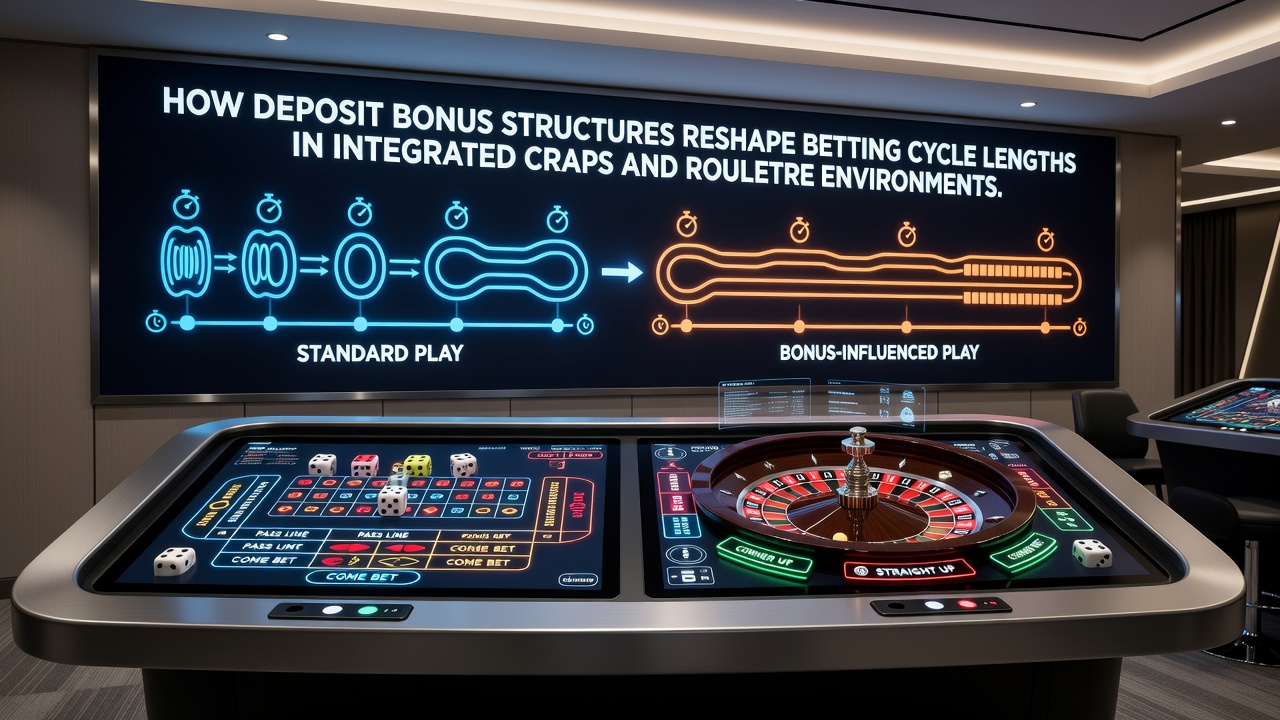
By August 2026, several major operators had rolled out unified bonus systems that tracked play across craps and roulette simultaneously, allowing seamless movement without resetting the counter. These platforms record cycle lengths in real time, revealing that players who alternate between the two games finish requirements in fewer total hands than those who remain at a single table. Figures released by iGaming Ontario demonstrate that cross-game bonus redemption rates reached 68 percent in multi-table environments during the summer months, compared with 41 percent for single-game bonuses.
Player Behavior Patterns and Cycle Length Data
Those who study integrated play patterns report that bonus structures reduce early exits because participants feel compelled to continue until the playthrough completes, even after a string of losses at either game. In practice, a craps shooter facing a long point cycle may switch to roulette for quicker outcomes that still count toward the requirement, which redistributes time across both games rather than concentrating it in one. Platform logs from multiple jurisdictions confirm that average cycle counts per bonus session rose from 47 to 63 bets when operators permitted seamless transitions between craps and roulette.
Conclusion
Deposit bonus structures continue to alter betting cycle lengths by tying player progression to specific wager volumes across craps and roulette in shared environments, with regulatory data and operational reports confirming extended sessions and redistributed game time as consistent outcomes. These mechanics remain central to how integrated casino operations manage player flow and revenue pacing.