How Symbol Frequency Adjustments in Online Slot Games Influence Session Lengths and Retention Metrics
Written by Yves Schmidt · Jun 1, 2026
How Symbol Frequency Adjustments in Online Slot Games Influence Session Lengths and Retention Metrics
Online slot games rely on carefully calibrated symbol frequencies to shape player experiences, and operators adjust these frequencies to balance payout structures with engagement patterns. Symbol frequency refers to the rate at which specific icons appear on the reels, which directly ties into hit rates and determines how often winning combinations form during spins. Developers modify reel strips and virtual weightings so that certain symbols land more or less often, and this tuning process affects both short-term play duration and longer-term player return behavior.
Mechanics Behind Symbol Frequency Adjustments
Game studios program slot titles with weighted reels that assign different probabilities to each symbol position, and these weights create predictable hit frequencies while maintaining the overall return-to-player percentage. When manufacturers increase the frequency of low-value symbols, winning combinations occur more regularly and trigger smaller payouts at a steadier pace. Conversely, reducing the appearance rate of high-value symbols lowers the chance of large wins but preserves the mathematical integrity of the game's random number generator. Operators review performance data from thousands of sessions to identify which frequency settings keep reels spinning for extended periods without altering the certified RTP figures.
Regulatory frameworks in multiple jurisdictions require independent testing of these weighting systems before titles reach public servers, and labs verify that the published hit frequencies match actual outcomes across large sample sizes. In June 2026, several North American and European platforms reported shifts in symbol distribution settings across popular titles, with adjustments aimed at stabilizing average spins per session.
Connections to Session Length Patterns
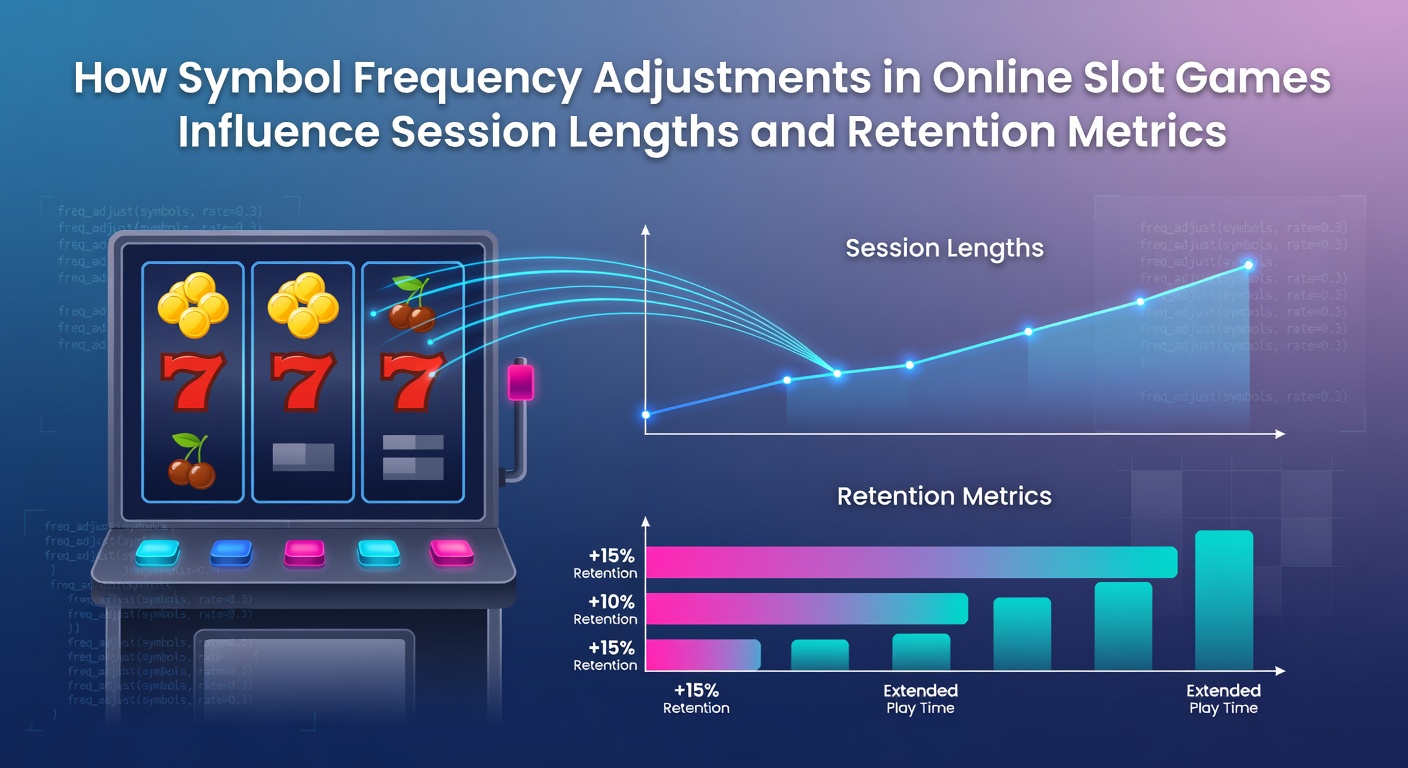
Players tend to continue spinning when wins arrive at intervals that feel rewarding yet unpredictable, and frequency tweaks influence exactly how many spins occur before a player pauses or exits. Higher hit frequencies often extend individual sessions because frequent small returns create a sense of momentum that encourages continued play. Data collected from major platforms shows that titles featuring symbol weights producing hit rates above 25 percent per spin correlate with average session lengths exceeding 180 spins, whereas lower hit-rate configurations average closer to 110 spins before player departure.
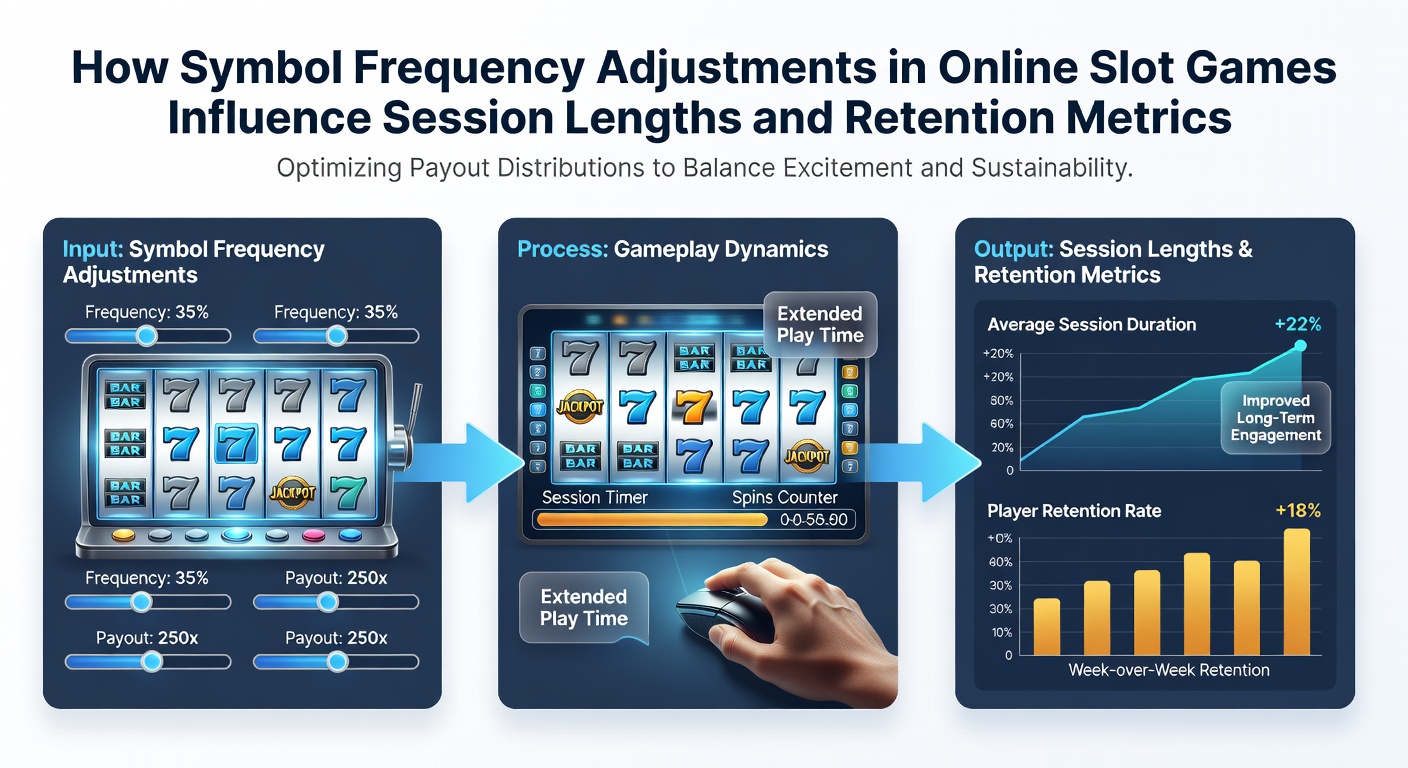
Session tracking tools capture these metrics in real time, and operators compare results across different frequency profiles to optimize game libraries. One developer case study revealed that raising the occurrence of mid-tier symbols by 8 percent extended average playtime by 22 percent on a newly released title, while the overall RTP remained unchanged. Retention software then logs whether players return within 24 or 48 hours, linking these frequency decisions to repeat visits.
Effects on Retention Metrics Across Platforms
Retention metrics such as day-one return rate, weekly active users, and lifetime session counts respond to symbol frequency settings because players gravitate toward games that deliver consistent feedback. When frequencies favor regular small wins, day-one return rates climb as players experience positive reinforcement during initial sessions. Platforms that implemented frequency adjustments in early 2026 recorded measurable lifts in 30-day retention for affected titles, with some categories showing gains between 4 and 7 percentage points.
Analysts at the American Gaming Association have examined aggregated operator data and noted that balanced symbol weighting supports steadier engagement curves compared with extreme low-frequency configurations. The same reports highlight that titles pushing high-volatility weighting often experience quicker drop-off after the first 50 spins, whereas moderate-frequency versions sustain activity across longer periods. Regional differences appear as well, with Australian and Canadian markets showing distinct preferences for frequency profiles that align with local player demographics.
Industry Data and Measurement Approaches
Measurement of these influences relies on large-scale telemetry that records every spin outcome, session start and end times, and subsequent login patterns. Operators segment audiences by behavior clusters and test frequency variants through controlled rollouts, then compare resulting session lengths and retention figures side by side. Figures released by the British Columbia Lottery Corporation in spring 2026 indicated that titles with adjusted symbol weights produced higher average spins per active account compared with previous versions of the same games.
Researchers continue to explore how frequency adjustments interact with bonus round triggers and progressive jackpot structures, since these elements also shape perceived value and influence whether players extend sessions or return later. The combined effect of these variables appears in aggregate retention dashboards that operators review weekly.
Conclusion
Symbol frequency adjustments serve as a core design lever that shapes both immediate session duration and longer-term retention in online slot environments. Through systematic weighting changes, developers and operators calibrate hit rates to align with target engagement profiles while adhering to regulatory standards. Data collected across multiple markets demonstrates measurable links between these technical settings and player behavior metrics, and ongoing analysis in 2026 continues to refine how frequency tuning supports sustainable play patterns.