Slot Reel Symbol Weighting Systems: Revealing How Manufacturers Adjust Hit Frequencies for Player Engagement
Written by Ines Berger · May 18, 2026
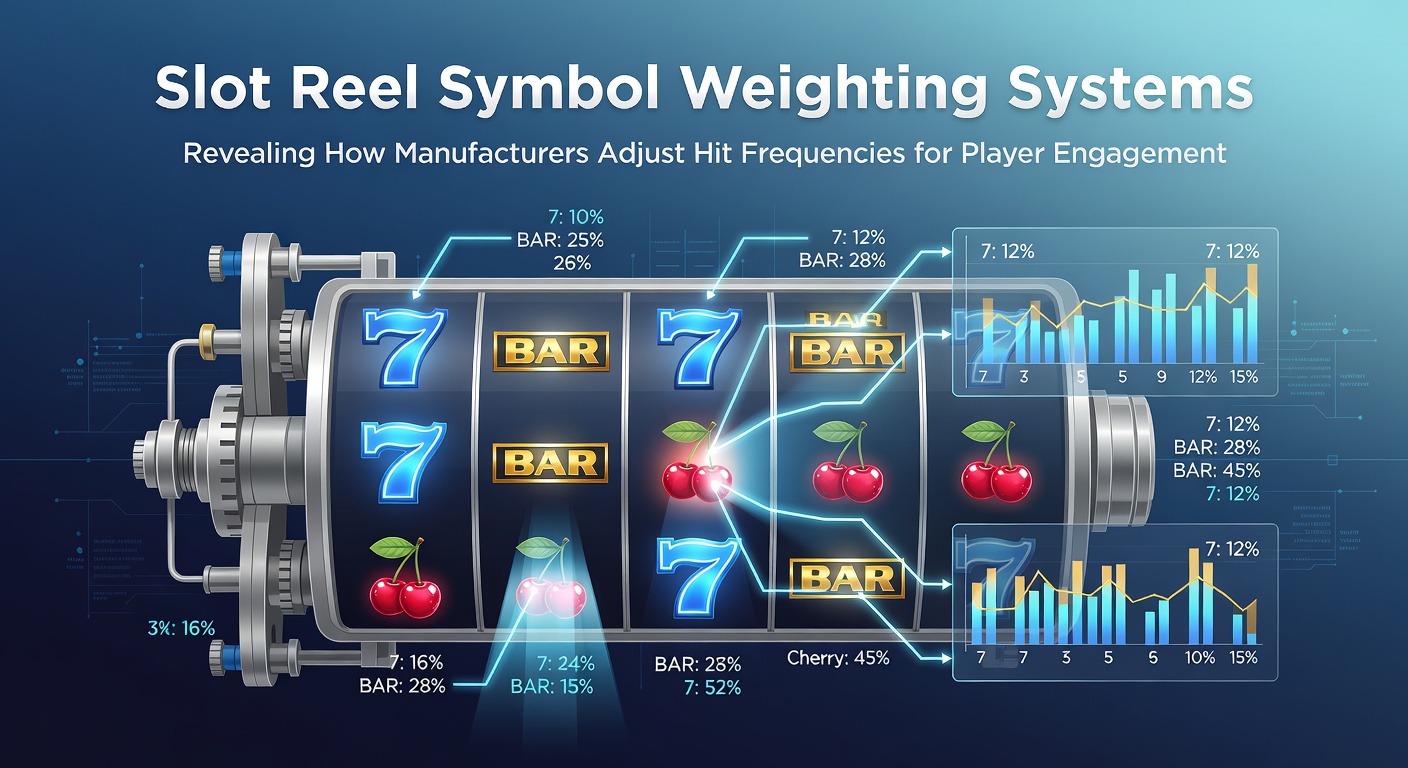
Slot Reel Symbol Weighting Systems: Revealing How Manufacturers Adjust Hit Frequencies for Player Engagement
Slot machines rely on intricate weighting systems that determine how often each symbol lands on the reels, and these mechanisms shape hit frequencies in ways that keep players engaged over extended sessions. Manufacturers program virtual reels through random number generators while assigning different probabilities to individual symbols, which creates outcomes that differ from what a simple physical reel might suggest. This approach allows developers to fine-tune return-to-player percentages and volatility levels without altering the visible reel strips that players see during spins.
How Virtual Reels Differ from Physical Ones
Traditional mechanical slots featured fixed stops on each reel, yet modern electronic versions use expanded virtual reel strips that can contain hundreds or thousands of positions mapped to a smaller number of visible symbols. Engineers assign weights to these positions so that high-value symbols occupy fewer stops while lower-paying ones or blanks fill more of the reel map, and this distribution directly controls how frequently combinations appear. Data from industry reports shows that such weighting tables let manufacturers balance near-miss events with actual wins, maintaining player interest across thousands of spins.
Observers note that the random number generator selects positions independently on each reel, but the pre-set weights mean certain outcomes occur more often than others even though every spin remains statistically independent. Researchers at gaming technology firms have documented cases where a single reel might map five jackpot symbols to just 20 virtual stops out of 500 total positions, which reduces their hit rate while preserving the illusion of fairness on the screen.
Adjusting Hit Frequencies for Engagement Patterns
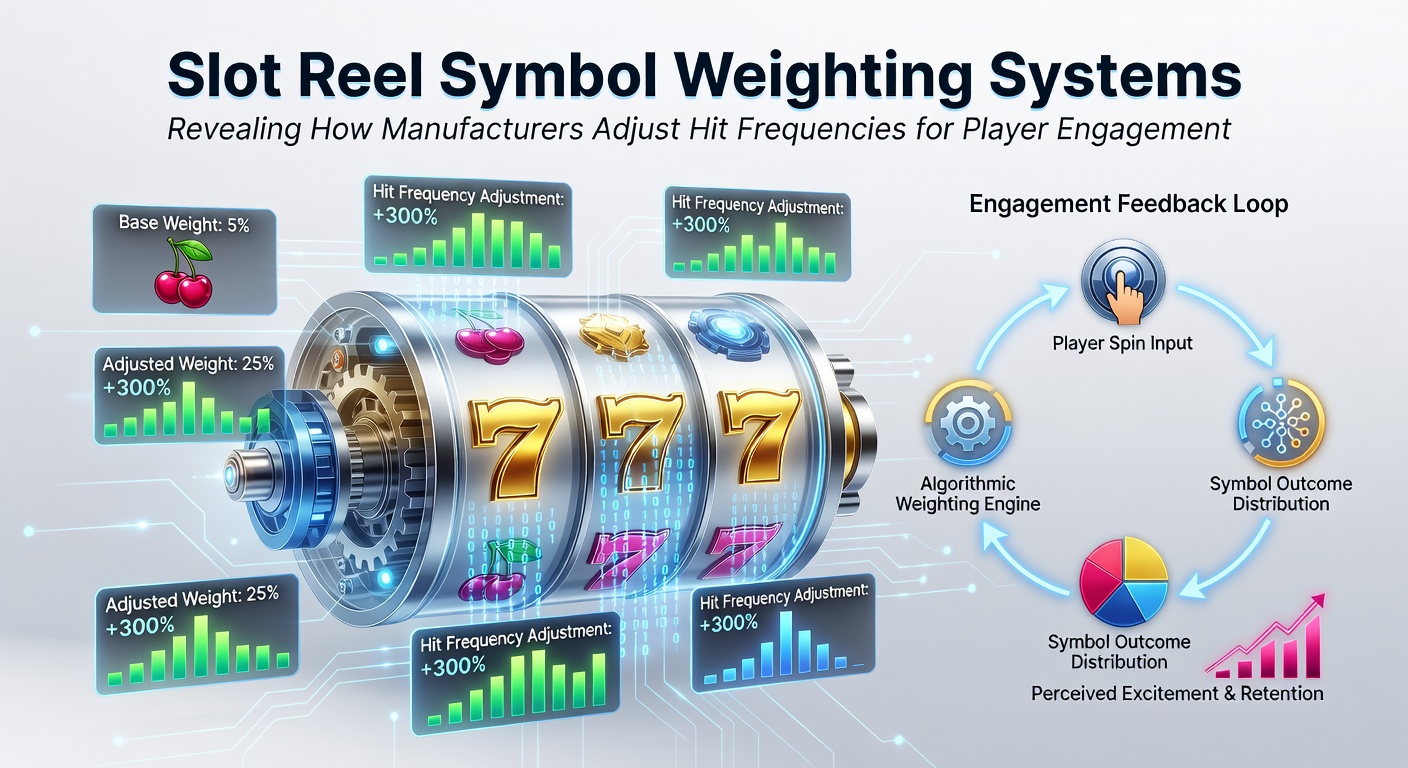
Manufacturers calibrate symbol weights to target specific hit frequencies that align with player behavior data collected across large player bases. Lower-paying symbols receive higher weights to produce frequent small wins that sustain momentum, whereas premium symbols carry reduced weights to create rarer but larger payouts that drive excitement. This calibration happens during game development when teams run millions of simulated spins to verify that the resulting distribution matches the intended volatility profile.
Turns out these adjustments also influence bonus round triggers and scatter appearances, since weighting tables can prioritize or deprioritize those symbols without changing the overall reel layout. In May 2026 several North American casino operators reported continued adoption of updated weighting algorithms that respond to real-time player session analytics, allowing games to adapt hit rates dynamically within regulatory limits. Those who've examined patent filings from major suppliers observe that weighting systems often incorporate multiple layers, including reel-specific tables and global multipliers that further refine outcome probabilities.
Regulatory Oversight Across Different Regions
Gaming laboratories in various jurisdictions test weighting configurations to confirm compliance with minimum return-to-player standards and randomness requirements. The Nevada Gaming Control Board maintains detailed technical standards that require manufacturers to submit full weighting tables and simulation results before any new title receives approval, and similar frameworks exist in Canadian provinces where provincial regulators review probability models. These reviews ensure that advertised hit frequencies match actual performance over extended test cycles, preventing misleading representations to players.
What's interesting is how weighting transparency varies by market, with some regions mandating public disclosure of reel strip information while others focus solely on verified RTP percentages. Academic studies from university gaming research centers have examined how different weighting approaches affect session length, revealing that balanced distributions tend to extend playtime compared with highly skewed configurations.
Impact on Player Perception and Game Design
Players often judge a slot's fairness by how frequently wins appear on the reels, yet weighting systems allow designers to create visual patterns that feel rewarding even when actual payout rates remain constant. Near-miss combinations, where two jackpot symbols land and the third stops just above or below the payline, result directly from careful weight placement rather than random chance alone. Those studying player feedback note that such engineered moments increase perceived excitement without violating randomness rules enforced by testing agencies.
Industry organizations including the Association of Gaming Equipment Manufacturers track how weighting innovations influence overall game performance metrics across global markets. One study revealed that titles with graduated weighting on progressive symbols maintain steadier engagement curves compared with uniform distributions, and developers continue refining these techniques as hardware capabilities expand.
Conclusion
Symbol weighting remains a core technical element that lets manufacturers shape hit frequencies while meeting strict regulatory and fairness standards worldwide. Continued advancements in simulation software and data analytics support more precise calibration of these systems, which in turn affects both short-term player experiences and long-term game economics. As operators integrate new titles in markets like those reporting activity through spring 2026, the underlying weighting frameworks continue evolving to balance engagement goals with compliance obligations across diverse jurisdictions.