Tracing Blackjack Team Operations and Their Adaptation to Surveillance Tech in Regional Markets
Written by Ines Berger · Jul 10, 2026
Tracing Blackjack Team Operations and Their Adaptation to Surveillance Tech in Regional Markets
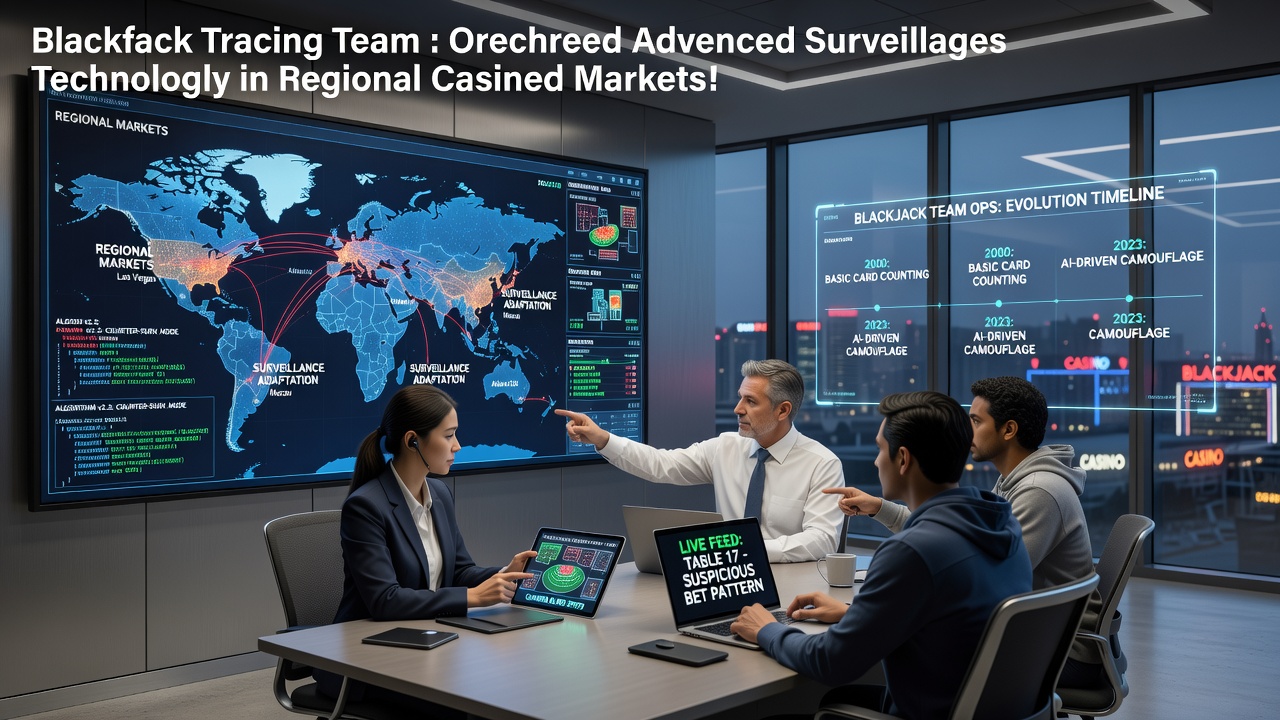
Blackjack teams have operated for decades by coordinating multiple players to track card counts across tables while minimizing individual exposure to casino detection systems. These groups typically assign roles such as spotters who track shoe composition at minimum bets and big players who enter when counts favor the house edge reversal. Regional markets outside major hubs like Las Vegas have seen increased activity because smaller venues often deploy less integrated surveillance networks compared to Strip properties.
Data from state gaming reports indicate that team operations in tribal casinos across the Midwest and Northeast expanded between 2023 and 2025, coinciding with post-pandemic recovery in visitor numbers. Teams adjust strategies when regional properties install new camera arrays or player-tracking software that logs betting patterns over extended sessions. Communication among members relies on subtle signals rather than electronic devices because most jurisdictions prohibit unauthorized wireless equipment on gaming floors.
Core Mechanics of Team Coordination
Spotters maintain low profiles by spreading across multiple tables and relaying count information through predefined gestures or seating arrangements. The big player then joins only during favorable deck conditions and exits once the count neutralizes. This division of labor reduces the statistical footprint each individual leaves in loyalty program databases or facial recognition archives. Observers note that teams rotate personnel frequently to avoid pattern recognition algorithms that flag consistent high-stakes bettors.
Regional operators in markets such as Atlantic City and Mississippi riverboat casinos have responded by upgrading to systems that cross-reference live video feeds with transaction records in real time. Teams counter these measures by varying session lengths and avoiding repeat visits within short windows. According to analyses published by teh University of Nevada, Reno's gaming research division, coordinated play accounts for a measurable but contained portion of table game revenue variance in mid-sized properties.
Surveillance Technology Shifts in Regional Venues
Many regional casinos adopted AI-enhanced monitoring platforms after 2024 that analyze not only facial features but also gait, posture, and chip handling behaviors. These tools integrate with central databases shared among properties under common ownership, which complicates travel between nearby markets. Teams adapt by incorporating changes in appearance such as clothing layers, temporary hair alterations, and altered posture techniques documented in training materials circulated among experienced groups.
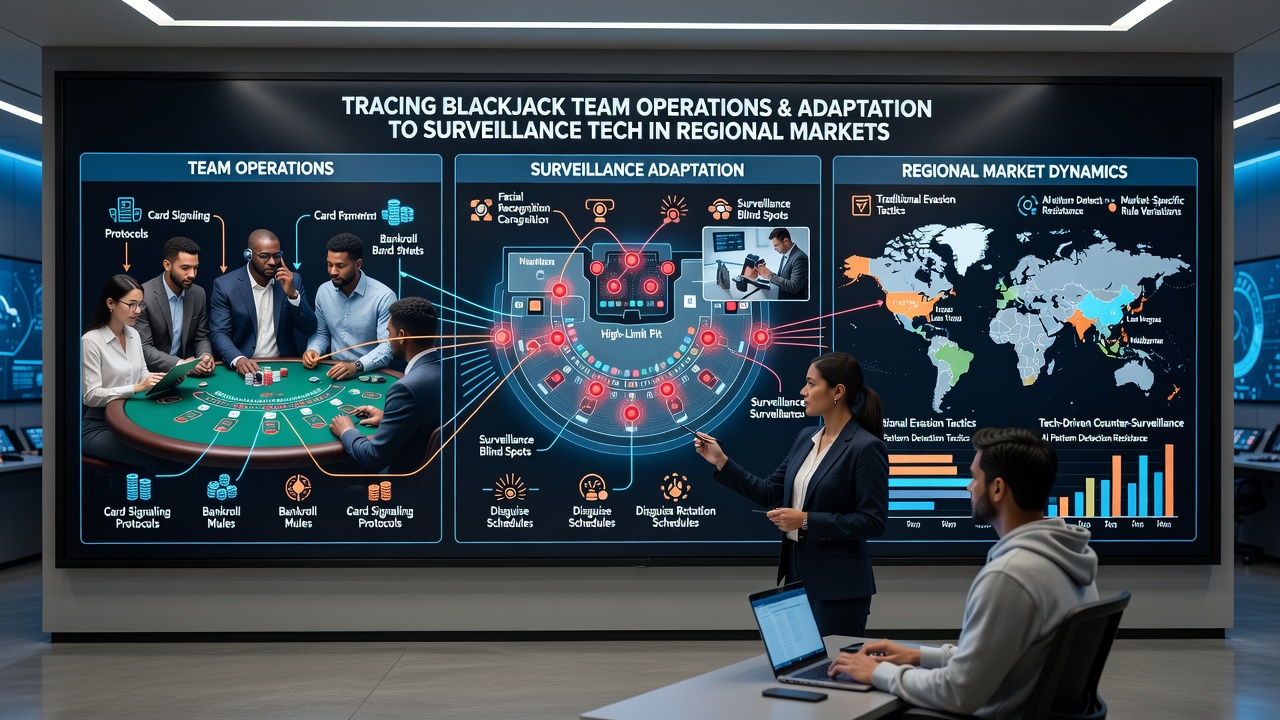
July 2026 brought additional regulatory scrutiny in several states as new compact renewals required operators to report suspected coordinated play more frequently to oversight bodies. Properties in Pennsylvania and Michigan, for instance, implemented enhanced RFID chip tracking that logs individual bet amounts and timing without relying solely on visual identification. Teams operating in these environments have shifted focus toward venues with slower technology upgrade cycles, including certain tribal facilities in Oklahoma and California that maintain older analog camera systems alongside newer digital overlays.
Adaptation Strategies Across Different Jurisdictions
Operators in Australia and parts of Canada have introduced centralized player identification requirements that force teams to reassess cross-border movement patterns. Groups respond by concentrating efforts within single regulatory zones where identification thresholds remain lower for shorter play periods. Research compiled by the Australian Institute of Criminology shows that coordinated blackjack activity correlates with specific bet-spread ratios that trigger automated alerts in modern systems.
Regional markets continue to differ in enforcement intensity. Properties in Atlantic City have formed informal information-sharing networks with nearby Delaware and Maryland venues, while Midwestern tribal casinos often operate more independently. Teams exploit these gaps by timing entries around shift changes when monitoring staff turnover creates brief windows of reduced oversight. Electronic table games with automated shufflers further limit traditional counting advantages, pushing some groups toward hybrid approaches that combine live play with observation of manual shoe games only.
Regulatory and Operational Responses
Gaming control boards in multiple jurisdictions now require periodic audits of surveillance coverage gaps, particularly in areas with high table density. These audits have prompted investments in overhead camera density and behavioral analytics software that flags synchronized player movements across the floor. Teams adjust by spacing members farther apart and staggering arrival times to avoid clustering patterns that newer algorithms detect.
Industry reports from the Canadian Gaming Association highlight similar upgrades in Ontario and British Columbia facilities, where integration between table management systems and security databases has tightened. Blackjack teams operating across the US-Canada border have reduced cross-jurisdictional coordination in favor of localized cells that operate with greater autonomy. This fragmentation limits overall bankroll efficiency but lowers the probability of simultaneous identification across linked properties.
Conclusion
Blackjack team operations persist in regional markets through continuous adjustments to evolving surveillance capabilities. Properties respond with technology upgrades and shared intelligence while teams emphasize rotation, signaling discipline, and selective targeting of venues with less mature monitoring infrastructure. Data from regulatory filings and academic studies document these ongoing adaptations without indicating widespread dominance over house edges in any single market. The interplay between operational tactics and technological countermeasures continues to shape activity levels as regional operators balance player volume against loss prevention priorities.