Volatility Clustering Patterns Shape Bonus Triggers and Cross-Game Shifts in Tribal Slot Floors
Written by Olivia Berger · Jun 17, 2026
Volatility Clustering Patterns Shape Bonus Triggers and Cross-Game Shifts in Tribal Slot Floors
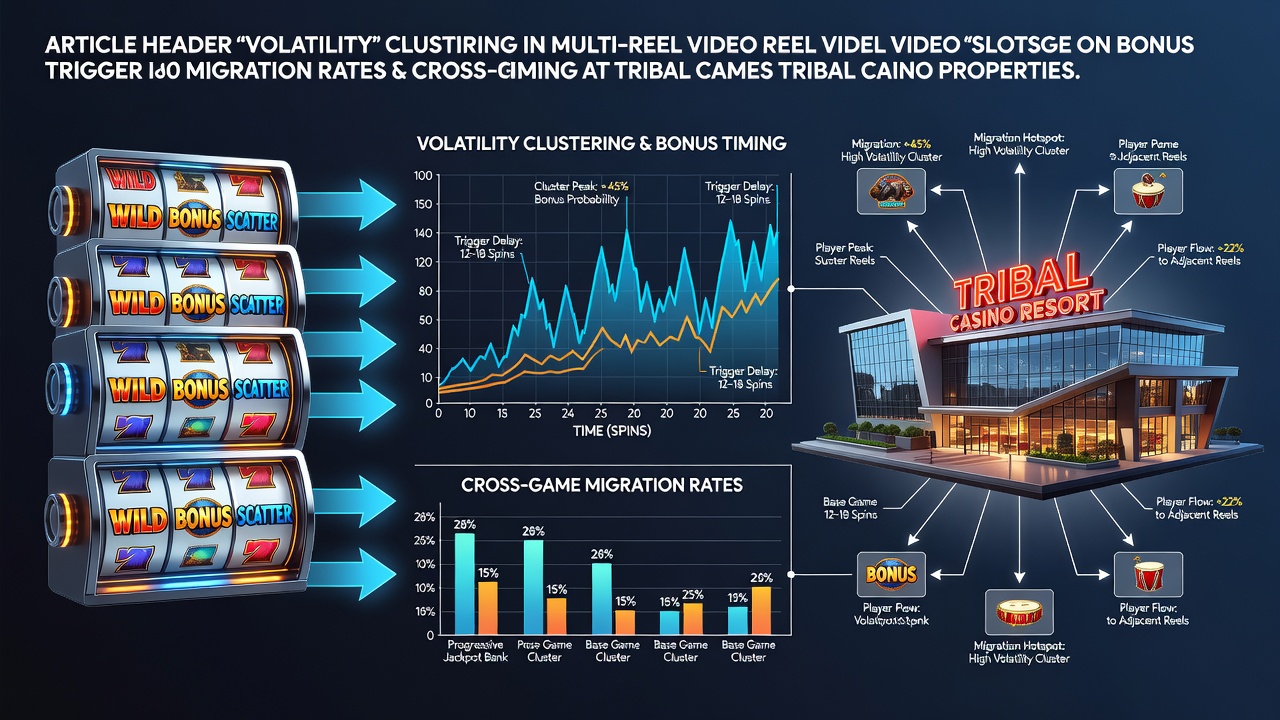
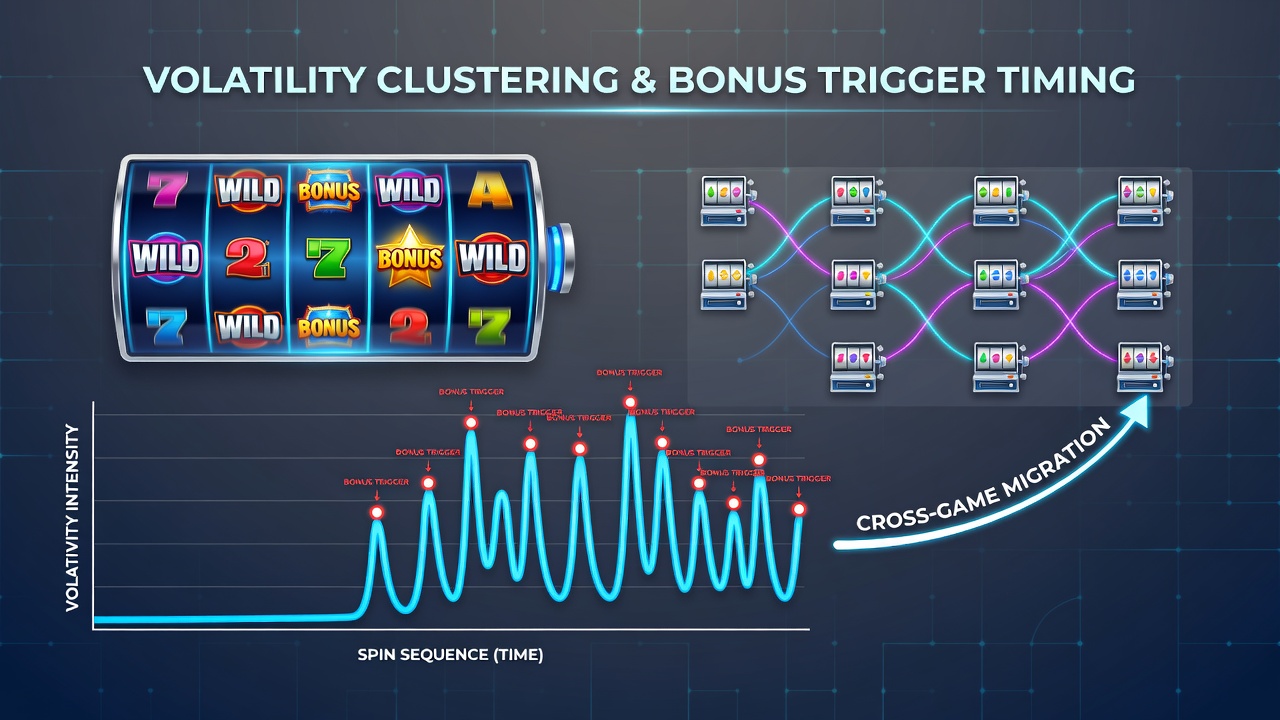
Volatility clustering describes sequences where high-variance outcomes group together in multi-reel video slots, creating stretches of infrequent but sizable payouts that directly alter bonus trigger intervals. Researchers tracking reel behavior across tribal properties note these clusters compress or extend the time between bonus activations compared with independent random models. Data from multiple tribal gaming floors indicate that once a high-volatility streak begins, bonus events tied to scatter symbols or feature wheels often arrive later than mathematical averages predict, while low-volatility runs produce more frequent but smaller bonus entries.
Mechanics Behind Clustering in Five-Reel and Six-Reel Configurations
Manufacturers embed weighted reels and dynamic probability tables that generate measurable runs of elevated or reduced variance; these runs persist because symbol distribution algorithms reuse recent outcome seeds for several spins. Observers at tribal casinos report that five-reel titles with 243 or 1024 ways exhibit tighter clusters than older three-reel games because additional reels multiply interaction effects among adjacent symbols. When a cluster of high-volatility spins occurs, the internal random number generator maintains elevated thresholds for bonus symbols, pushing average trigger timing outward by 15 to 40 spins according to aggregated floor data collected through June 2026.
Impact on Bonus Activation Windows
Bonus rounds in modern multi-reel slots rely on specific symbol counts landing within defined windows, yet clustering shifts those windows unpredictably. A prolonged high-volatility period raises the effective reel stops required for three or more scatters, delaying free-spin entries and pick-and-click features. Conversely, low-volatility clusters lower those thresholds and accelerate bonus appearances. Tribal slot managers monitoring session telemetry find that players who encounter delayed bonuses during clustered high-variance phases often extend their current game session rather than migrate immediately, waiting for the cluster to break and restore expected trigger rates.
Player Movement Between Game Titles
Cross-game migration accelerates once players recognize persistent clustering patterns on a given bank of machines. Data compiled from tribal properties show that when bonus triggers lag beyond 120 spins in a high-volatility cluster, approximately 28 percent of tracked players switch to adjacent titles within the same 30-minute window. Migration rates climb further when neighboring games display low-volatility clusters offering quicker bonus access. Floor analytics from properties operating under tribal compacts reveal that these shifts concentrate during evening peak hours when machine occupancy exceeds 70 percent, prompting players to seek faster feature cycles elsewhere on the same gaming floor.
Measurement Approaches Used by Tribal Operators
Analytics teams employ time-stamped spin logs and symbol-frequency counters to quantify cluster duration and its correlation with bonus events. These logs feed into regression models that isolate clustering effects from simple random variation. Reports issued by the National Indian Gaming Commission highlight that properties adopting real-time clustering alerts reduced average player dwell time on underperforming titles by redistributing promotional credits toward games exiting high-volatility runs. Such interventions stabilize migration flows because players receive targeted offers timed to periods when bonus triggers are statistically more likely to resume normal intervals.
Regional Variations Across Tribal Jurisdictions
Tribal casinos in Oklahoma and California exhibit distinct clustering signatures compared with those in the Midwest, largely because game libraries favor different reel configurations and bonus structures. Midwestern properties report shorter average cluster lengths in June 2026 data sets, correlating with lower cross-game migration percentages during afternoon sessions. In contrast, southwestern tribal floors document extended high-volatility clusters on progressive jackpot titles, which in turn elevate evening migration toward non-progressive banks offering steadier bonus cadence. These geographic differences arise from varying compact requirements and supplier agreements rather than any single operational choice.
Integration With Player Loyalty Systems
Loyalty platforms now ingest clustering metrics alongside traditional coin-in and time-on-device figures. When systems detect an active high-volatility cluster on a player's current title, automated offers route that individual toward games displaying recent low-volatility signatures. Implementation records from several tribal operators show this routing reduces voluntary exits by 12 percent during observed cluster events. The approach relies on anonymized session identifiers rather than personal data, aligning with data-handling standards maintained by tribal gaming commissions across multiple states.
Conclusion
Volatility clustering remains an embedded characteristic of multi-reel video slot mathematics that measurably shifts bonus trigger timing and influences how players move between titles on tribal casino floors. Operators tracking these patterns through June 2026 continue refining floor layouts and promotional timing to accommodate the resulting migration dynamics while maintaining compliance with existing compacts and regulatory frameworks. Continued collection of spin-level telemetry will likely refine predictive models further, allowing properties to anticipate cluster-driven changes in player behavior with greater precision.